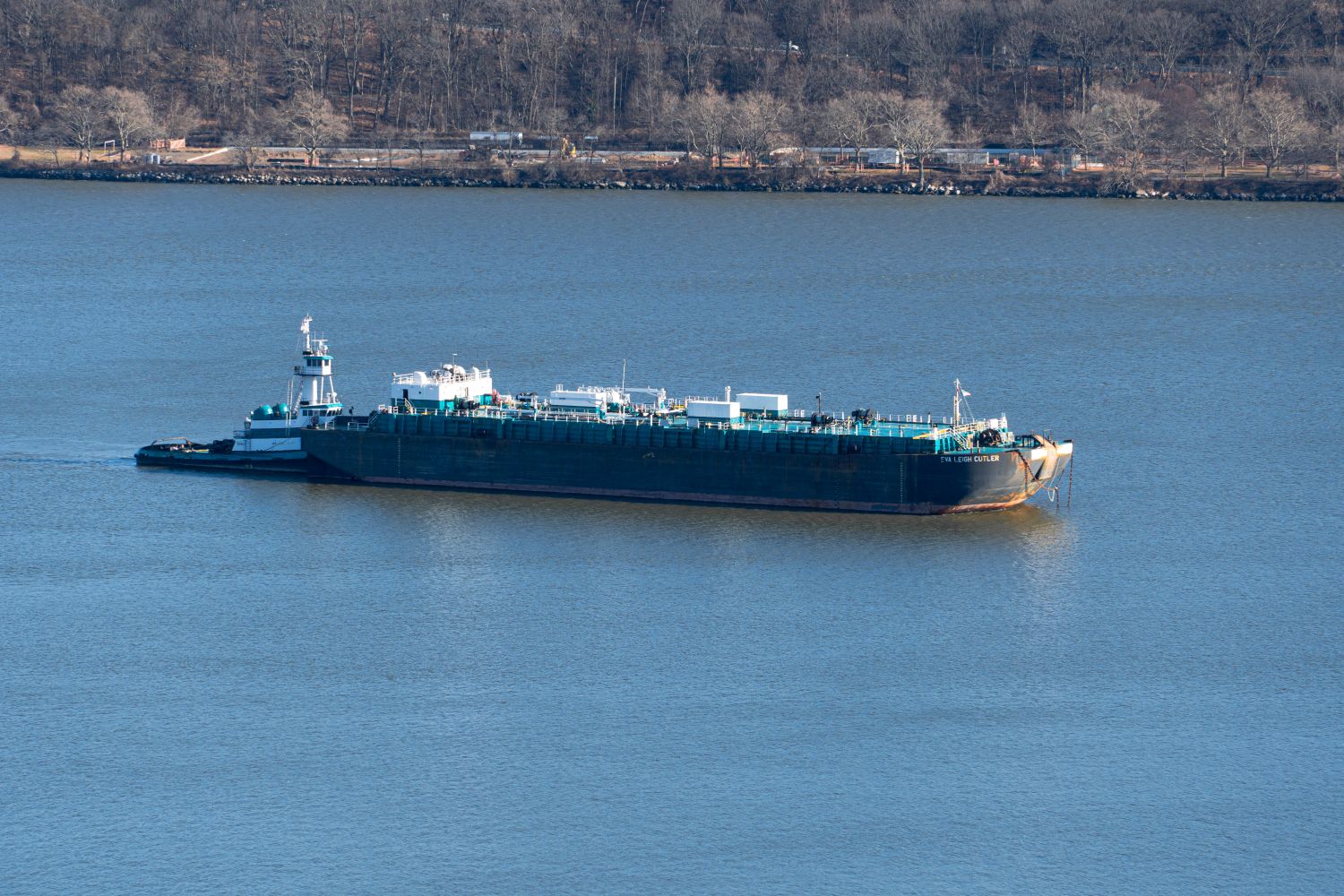
A port story with a changing purpose
The Nigerian Ports Authority describes Rivers Port’s development from a coal-export berth into a multipurpose port. That change offers a useful perspective on maritime infrastructure: facilities evolve with the economy they serve. A port’s identity is shaped by cargo, connecting businesses and the people who organise movement through it.
Today’s service enquiry should still focus on current conditions and the nominated facility. Historical context explains the place, but it does not confirm berth availability, terminal capability or permission for a particular operation. Those questions need a current discussion with the responsible parties.
Distinguish the city from the port appointment
Port Harcourt is the local focus of this design brief. Rivers Port and Onne Port Complex are separately identified by the NPA. Businesses may use a regional name conversationally, but marine service instructions need greater precision.
The city brings the shore side into view
A vessel call depends on activity ashore: suppliers preparing goods, service providers arranging attendance, transport teams managing collection and commercial teams aligning instructions. These links help explain why maritime support cannot be reduced to a photograph of a ship.
The human dimension also matters. Engineering knowledge, careful administration and practical communication connect the visible cargo movement to the decisions behind it. The imagery in our approach represents that wider industry, with source notes distinguishing Nigerian engineering photographs from international maritime stock.
Local context should improve the enquiry
A useful location-led page helps a visitor ask a better question. Which facility is intended? What is the arrival estimate? Does the requirement concern a vessel, cargo, crew or technical service? Where must an onward delivery end? These details translate a broad interest in Port Harcourt into an actionable discussion.
The first conversation need not contain every document. It should establish the objective and the responsible contacts. Operations can then explain the appropriate next information and confirm the service scope for the assignment.
A credible digital introduction
A maritime company’s website should make its expertise understandable without inventing scale. Clear service boundaries, verified contact details and useful educational content create a better introduction than unsupported performance figures or vague promises of global dominance.